January 30, 2026
Basement water problems are a common issue faced by many homeowners, often leading to costly repairs and significant disruptions. In fact, understanding how water enters your basement is the key to prevention and can save you from potential headaches down the road. In this article, we'll explore the common causes of basement water problems and provide practical solutions to keep your basement dry and your home protected with help from a basement waterproofer.
Poor Drainage Systems
Poor exterior drainage systems are a leading cause of water problems in the basement. When gutters and downspouts fail to channel water away from your home efficiently, it can accumulate around the foundation. This pooling water increases the hydrostatic pressure against basement walls, often leading to leaks and seepage. To prevent this, gutters should be cleaned regularly, and downspouts should extend at least six feet from the foundation to move rainwater away from the structure.
Grading also plays an important role in managing moisture. Soil that slopes toward the home allows water to flow directly to the foundation rather than away from it. Over time, this repeated exposure can worsen cracks and weaken masonry. In these situations, consulting a local basement waterproofer can help identify drainage flaws and recommend practical improvements that reduce long-term water intrusion risks.
Improper Grading
Furthermore, improper grading around the foundation of your home can lead to water pooling and an increased risk of basement water problems. The ground should slope away from the house to avoid water accumulation around the walls. If the grading is incorrect, it essentially funnels water toward your home rather than away from it. Re-grading the landscape around your home and maintaining proper sloping can mitigate this issue significantly.
Compacted soil, settled fill, and erosion can gradually alter grading over time, even if it was originally installed correctly. Heavy rainfall and freeze-thaw cycles often worsen these conditions, allowing water to collect near the foundation. In some cases, drainage swales or extensions may be needed to redirect runoff. A local basement waterproofer can assess these conditions and recommend corrective steps that help reduce moisture intrusion and protect the foundation.
Cracks in Foundation Walls
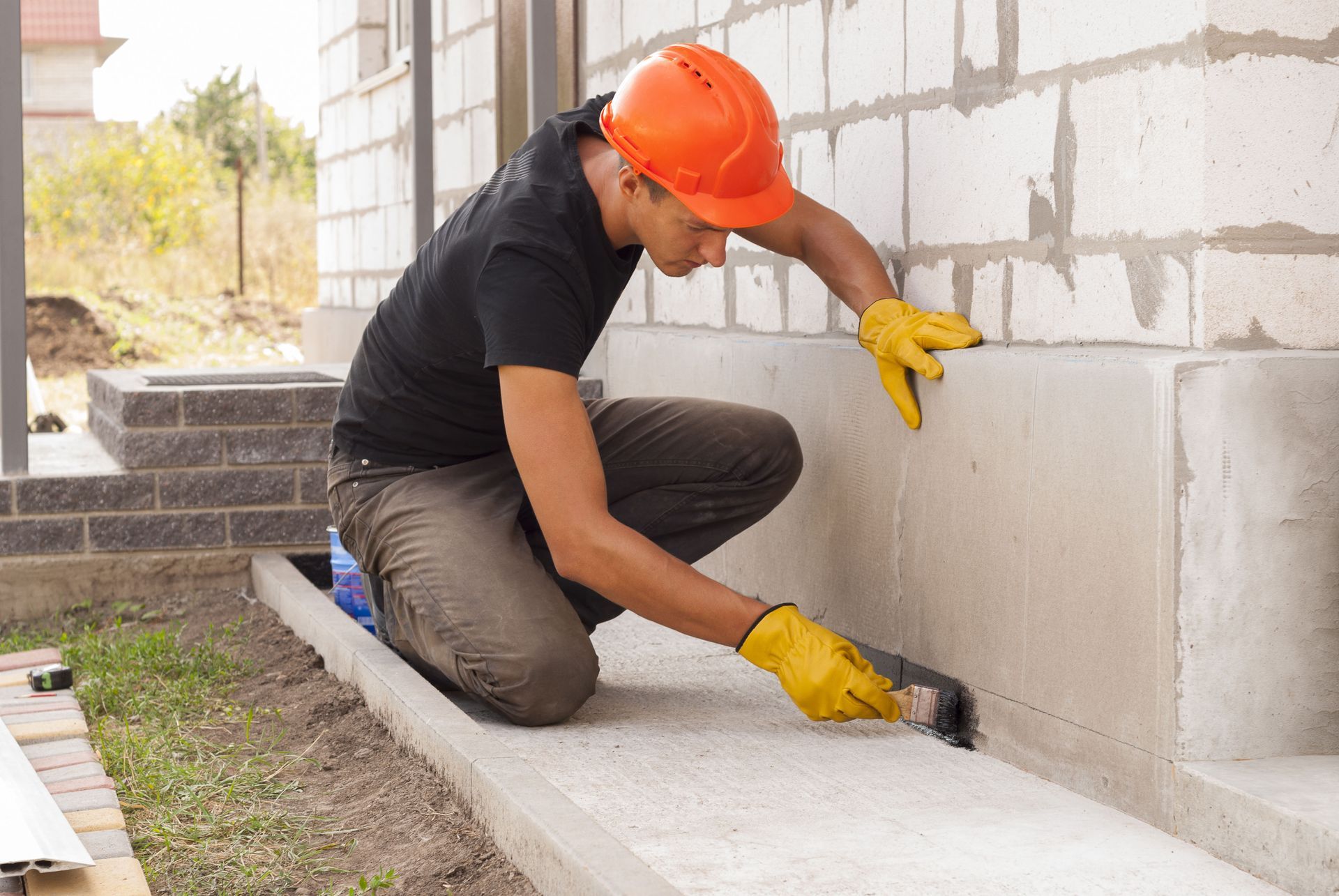
Cracks in foundation walls are another common source of water infiltration in basements. As houses settle over time, minor cracks can develop and later become pathways for water during heavy rainfalls or snow melts. Homeowners should inspect their basement walls periodically for new or expanding cracks. Sealing these cracks with a high-quality waterproof sealant or consulting a professional for significant repairs can help keep your basement dry.
Some cracks may appear harmless at first, but can widen due to temperature changes, soil movement, or ongoing moisture exposure. Vertical and horizontal cracks can signal different underlying issues, making proper evaluation important. Addressing these problems early helps limit further damage to interior finishes and structural materials. In many cases, a local basement waterproofer can identify the cause of cracking and recommend repair methods that provide longer-lasting protection.
Inadequate Waterproofing
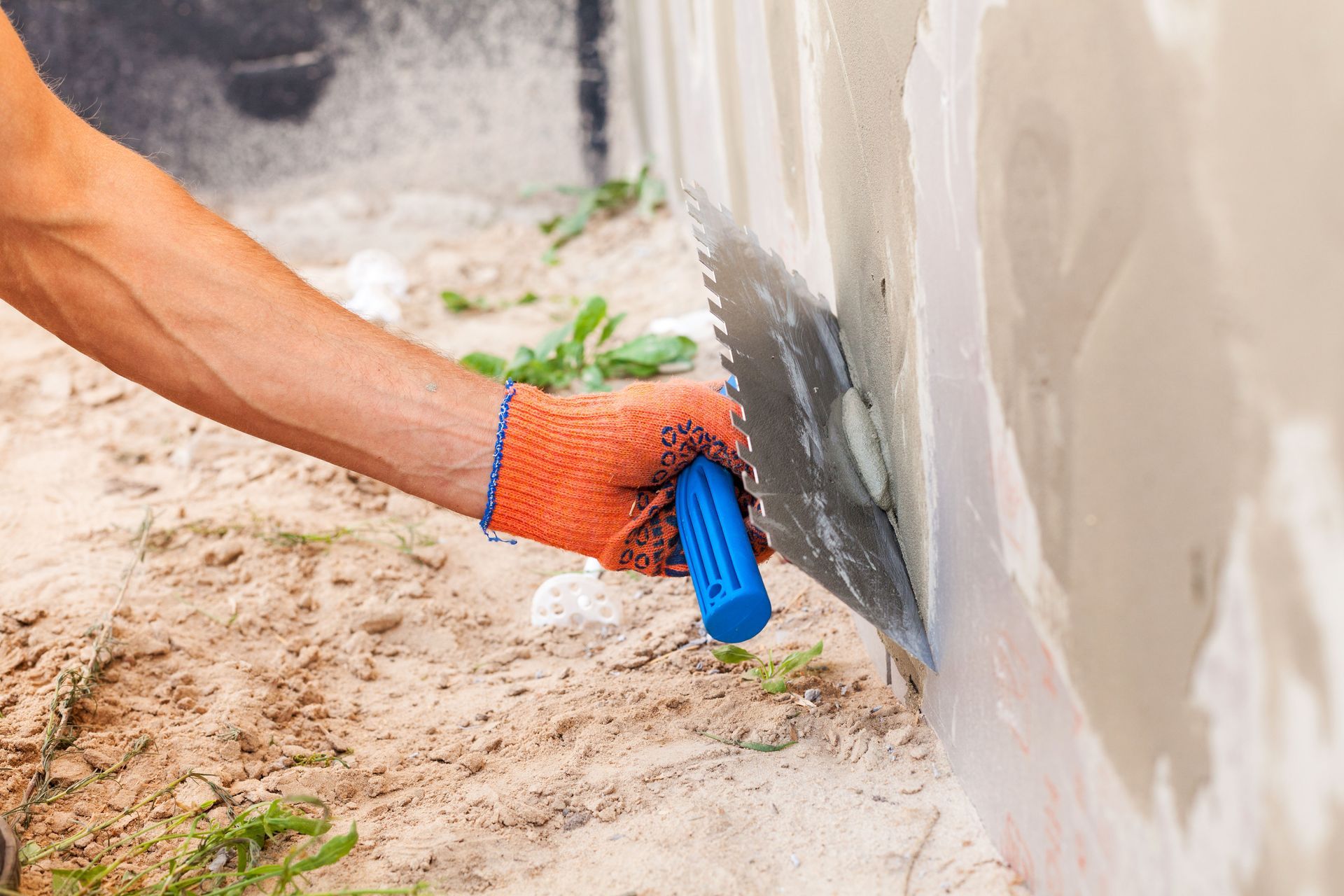
Many homes suffer from inadequate waterproofing measures, contributing to basement water problems. Often, original waterproofing was either improperly done or has failed over time, leading to issues with moisture ingress. According to The Spruce, about 60% of homes in the U.S. experience issues with wet basements, underscoring the importance of proper waterproofing. Applying modern waterproofing solutions or upgrading existing ones can vastly improve your basement's resilience against water infiltration.
High Water Table
A high water table can pose a continuous risk of basement flooding, especially during seasons with heavy rains or snow melts. When the water table rises above the level of your basement floor, hydrostatic pressure can force water through any weak points or cracks in the foundation. Installing a robust drainage system, such as a French drain or a sump pump, can help manage excess water and reduce the chances of your basement flooding.
Dealing with basement water problems requires a proactive approach, blending prevention with timely interventions. From ensuring proper drainage and grading to reinforcing waterproofing measures, these solutions can prevent water damage and maintain the structural integrity of your home. By understanding common causes and implementing these preventive strategies, you can protect your basement and, ultimately, your investment in your home. When you need a local basement waterproofer, call us at Basement & Foundation Solutions.