May 14, 2026
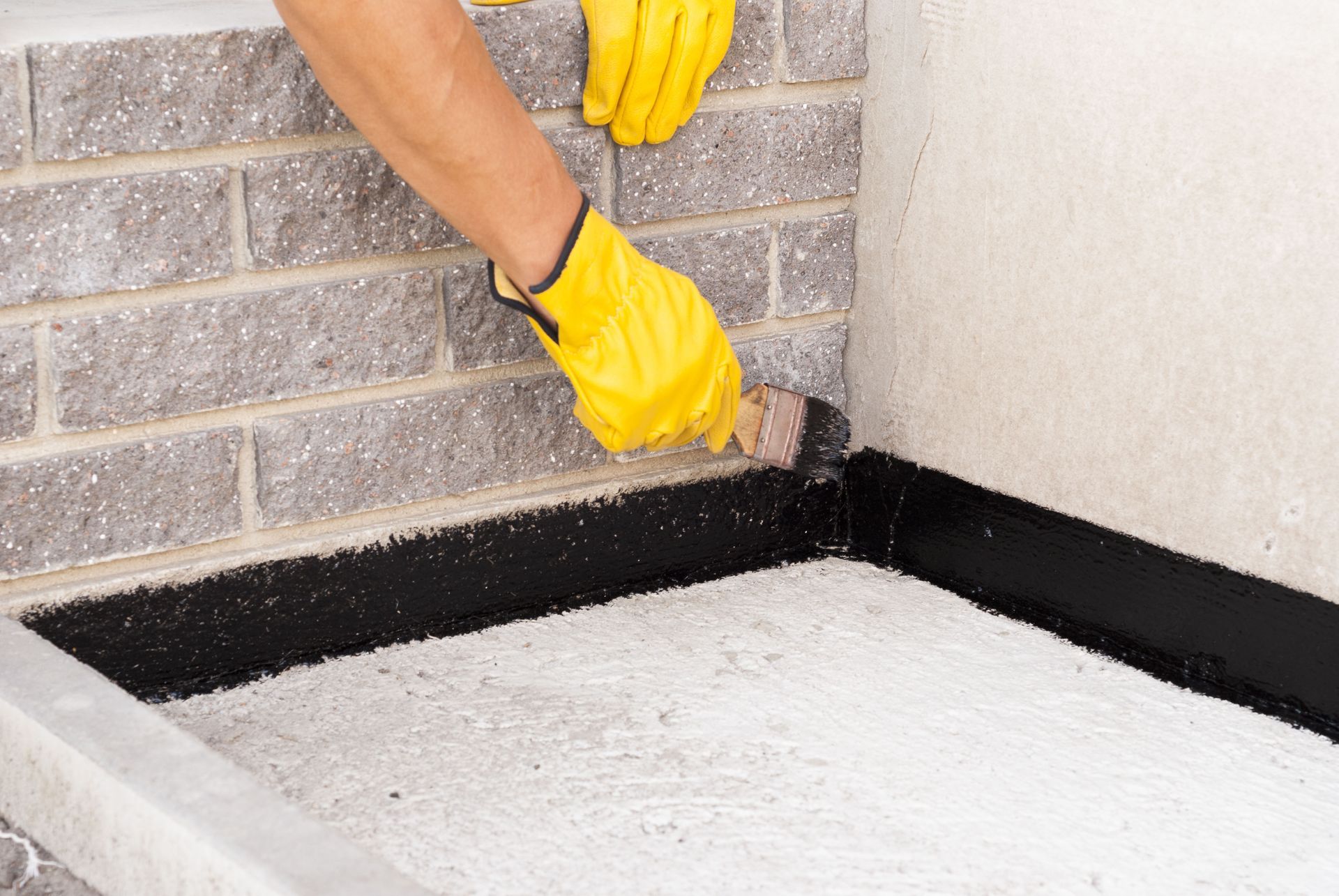
Basement waterproofing is a critical aspect of home maintenance, particularly for older homes. These structures often exhibit unique challenges due to architectural styles and materials that were popular at the time of construction. The potential for water intrusion in basements not only risks structural integrity but also impacts the health and safety of the home's inhabitants. Proactively managing waterproofing not only preserves the building but also enhances its functional use and value. This blog explores comprehensive solutions to address water problems in older basements and how basement waterproofers implement strategies to prevent future issues.
Historical Construction Practices and Their Limitations
Older homes were often constructed using materials and techniques that did not prioritize long-term water resistance. Many early 20th-century homes did not employ the sophisticated sealing techniques available today. Stone or masonry foundations, common in historical homes, are porous by nature and more susceptible to water penetration. These older methods, while durable for their time, lack modern barriers that prevent moisture infiltration. It is essential to recognize these limitations when assessing water issues in basements of older homes.
Technological advancements in construction have improved drastically, revealing the limitations of older methods. It was typically not routine to incorporate proper drainage systems or protective coatings, leading to increased vulnerability to water damage over time. Homeowners often find that improvements or retrofitting are necessary to address these outdated practices. Understanding historical methods can guide the choice of current materials and technologies. Addressing these legacy issues ensures that older homes remain comfortable, safe, and habitable.
The evolution of building codes has not always been aligned with modern waterproofing standards. Factors like changes in regional climate expectations have influenced updates in building practices that historical homes missed. For example, materials like terracotta piping and clay tiles, which were once staples, have become outdated due to their ineffectiveness against modern hydrostatic pressures. Retrofitting with current techniques helps mitigate the risks posed by these older materials. Evaluating historical construction practices is necessary to plan effective waterproofing solutions.
Common Sources of Water Intrusion in Older Homes
Water intrusion in basements is often caused by a combination of external and internal factors. Cracks in walls and floors, improperly sealed joints, and foundation settling can all create paths for water entry. Poorly designed gutters and downspouts that fail to channel water away from the foundation exacerbate these issues. Similarly, inadequate grading around a home's perimeter allows water to collect and seep into the basement. Identifying and addressing these common sources is vital to preventing basement flooding in older homes.
Older homes are especially prone to water intrusion due to their aged materials and potentially outdated drainage systems. As seasons change, variations in temperature and humidity can amplify existing vulnerabilities, leading to more significant water damage over time. Faulty windows, doors, and utility penetrations in the basement are potential entry points for moisture. Regular inspections can help catch these common issues early, reducing the risk of more severe water damage. Understanding these problems allows homeowners to implement preventative measures efficiently.
Each home has unique characteristics that might contribute to water issues, such as prevailing winds, regional weather patterns, and proximity to natural water sources. According to This Old House, exterior basement waterproofing can take anywhere from a day to a week, depending on the basement size and waterproofing method. Homeowners must consider the existing foundation type and basement use when evaluating potential sources of water intrusion. A holistic approach considers all aspects of the home's environment and structure. Adequate assessment with basement waterproofers ensures proper troubleshooting and customized prevention strategies.
Impact of Local Climate and Soil Conditions
Regional climate plays a crucial role in determining the severity and frequency of basement water issues. Areas with high annual rainfall or frequent flooding can exacerbate existing waterproofing deficiencies. Soil type, such as clay, expands when wet, exerting pressure on basement walls, which can lead to cracks and leaks. Conversely, sandy soils drain quickly, potentially leading to uneven settling and stress on the foundation. Understanding the local soil and climate conditions helps in choosing the right waterproofing strategy for an older home.
Climate influences precipitation patterns and can significantly impact a home's foundation and drainage capabilities. For example, freeze-thaw cycles can lead to soil movement, stressing, and cracking of basement walls. Adjusting drainage solutions to account for climate and environmental changes is a proactive step in preventing basement water problems. Incorporating solutions like proper insulation and drainage diversions can mitigate adverse weather impacts. An effective waterproofing plan considers the region's climate trends and topography to keep basements dry.
In addition to climate, soil conditions affect how water moves around and through a home's foundation. Dense soils like clay are less permeable, causing water to pool and pressure foundation walls. This increased pressure can cause structural damage, leading to more opportunities for water intrusion. Homes situated in areas with varying soil conditions must adapt their waterproofing methods to withstand these unique challenges. Hiring basement waterproofers who utilize technological tools for moisture detection can aid in identifying these risks early, allowing homeowners to implement appropriate safeguarding measures.
Signs of Basement Water Damage
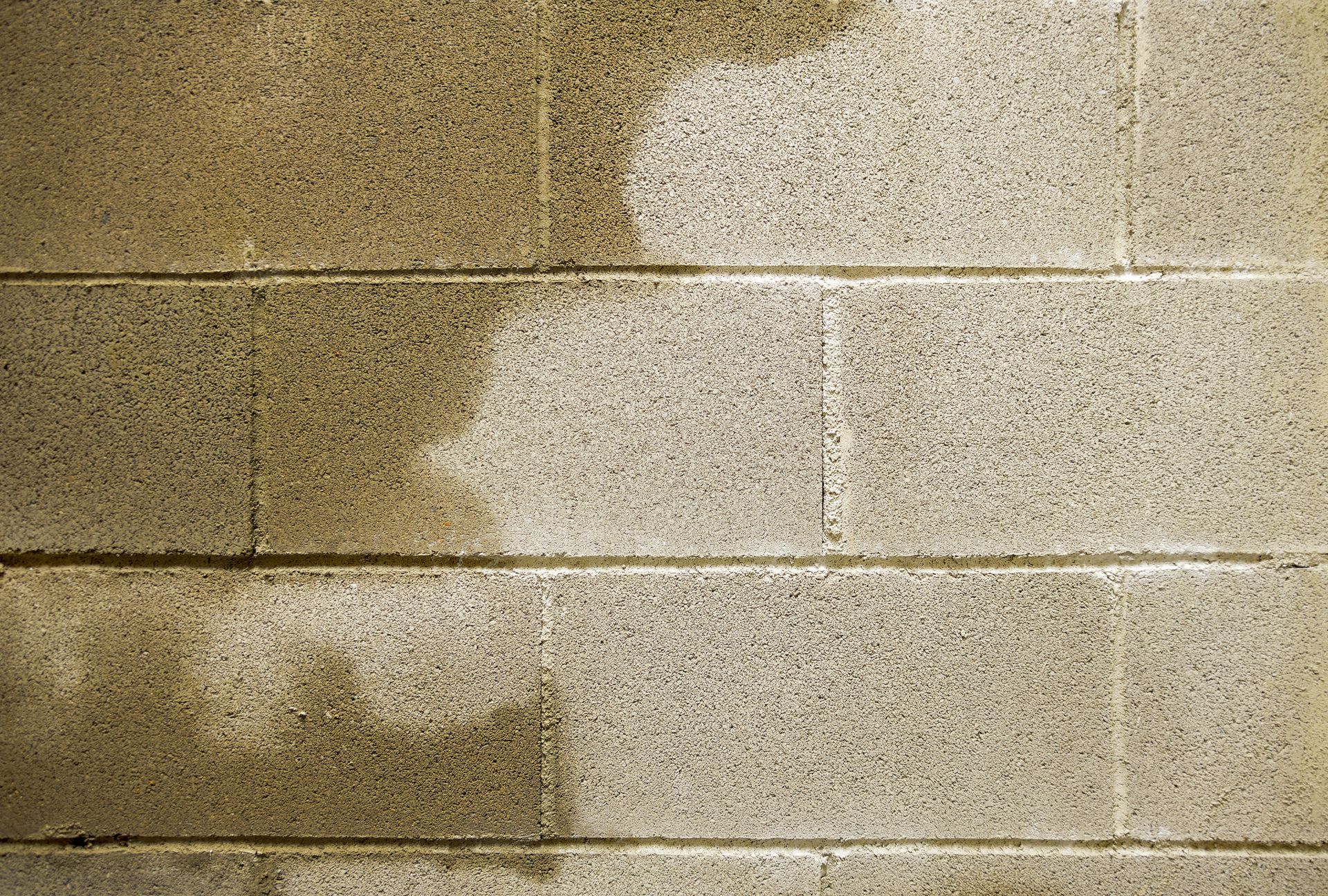
Early identification of water damage is crucial in preventing extensive repairs and maintaining a healthy home environment. Mold growth, efflorescence on walls, and persistent musty odors are typical indicators of water intrusion. Stains or discoloration on basement walls and ceilings can also point to moisture problems. Homeowners should regularly inspect for these signs and take preventative action as soon as they're noticed. Timely intervention reduces long-term damage and prevents further deterioration of the structure.
Structural changes like wall warping or floor buckling are significant warning signs of underlying water issues. Water seeping into foundational cracks can cause structural instability over time. Recognizing these symptoms can alert homeowners to potential waterproofing failures or drainage issues. Addressing these signs promptly with professional assessment and repair from basement waterproofers prevents more severe damage down the line. Routine inspections and monitoring play key roles in safeguarding basements against progressive water damage.
Comprehensive Waterproofing and Foundation Solutions
Older homes often benefit from a broader approach that addresses the foundation system as a whole. Basement waterproofing is often most effective when paired with foundation repair, crawl space encapsulation, drainage improvements, and structural reinforcement. When water enters through aging masonry or shifting foundation walls, sealing the interior surface alone may not resolve the underlying cause. A full inspection of grading, drainage patterns, cracks, and floor movement can reveal how moisture is affecting the structure over time.
Depending on the source of the problem, solutions may include interior drainage systems, sump pumps, exterior waterproofing, or reinforcement for weakened walls and floors. These combined methods help reduce hydrostatic pressure while protecting the home from recurring moisture issues. In older basements, hidden problems can develop behind finished walls or beneath flooring. Addressing waterproofing and structural concerns together supports long-term stability, healthier indoor air quality, and better protection against future water damage.
Protecting older homes from water intrusion requires awareness, maintenance, and modern solutions tailored to unique structural challenges. By addressing vulnerabilities, improving drainage, and monitoring early warning signs, homeowners can prevent costly damage. Partnering with experienced basement waterproofers ensures durable results, preserving safety, comfort, and long-term property value for years ahead. For professional basement waterproofers, contact Basement & Foundation Solutions today.